You are here

Project Updates for collection: 2015 iCAP Objectives

Search

Search tips:

  • This form will search for words in the title OR the description. If you would like to search for the same term(s) across both the title and description, enter the same search term(s) in both fields.
  • This form will search for any of the words you enter in a field, not the exact phrase you enter. If you would like to search for an exact phrase, put double quotes (") around the phrase. For example, if you search for Bike Path you will get results containing either the word Bike OR the word Path, but if you search for "Bike Path" you will get results containing the exact phrase Bike Path.
  1. OVCRI newsletter highlights transformative learning experiences

    See https://emails.illinois.edu/newsletter/28281545.html 

    Every year, the university’s vice chancellors have the opportunity to update the Senate Executive Committee on our units. When I spoke with them last week, I focused on OVCRI alignment with the four overarching pillars of the campus strategic plan. In addition to our significant role in explicitly research-related goals, I was particularly pleased to note the many ways that OVCRI units contribute to "Transformative Learning Experiences."  

    We work closely with the academic colleges to extend opportunities for students. While I don't have space to list every activity and program, I will note a few highlights. Nearly 1,000 grads and undergrads alike enjoy interdisciplinary research experiences at IGB or Beckman, while hundreds learn firsthand in the field, working on projects at PRI. Programs such as CCIL's Cancer Scholars, iSEE's Sustainability minor (and new Environmental Leadership Program), HRI's Mellon Fellowships and Internships, as well as NCSA's SPIN program offer transformative learning opportunities in emerging areas with societal impact. Students learn to use cutting-edge instrumentation at the Biotech Center, participate in community-focused and clinical projects with support from CSBS and IHSI, and even have real-world learning opportunities through internships with Research Park companies (800+ students each year!). Students can choose excellent degree programs at hundreds of universities across the country. But the way the vibrant research enterprise contributes to student education is a true point of differentiation for our university.

    Sincerely, 

    Susan

  2. Newsgazette Mailbag about campus renewables

    Renewable energy at the UI "How much power is each of the renewable (University of Illinois) sources generating? How many houses can each provide power for? Are there plans to add more than what we currently have? How many years does it take for the cost of each to be paid off? We have a growing interest in this and many homes now also have this."

    Morgan White, the UI's associate director of Facilities & Services for sustainability, has all your answers.

    As for power generation, she said that the UI's "on-campus solar arrays are now capable of producing over 25,000 megawatt-hours (MWh) per year and we purchase an additional 25,000 MWh/year from an off-campus wind farm in Illinois.

    "For a more comprehensive answer:

    "The (Illinois Climate Action Plan) 2020, objective 2.3.1 is: 'Use at least 140,000 MWh/year of clean power by FY25.' This objective is about clean power, which is different from clean thermal energy. As of 2020, there are three types of clean power options being pursued or used on campus.

    "1. Solar Energy on Campus: installing solar photovoltaic panels on campus property

    "2. Wind Energy on Campus: installing wind turbine generators on campus property

    "3. Power Purchase Agreements for Clean Energy: purchasing solar or wind power from off-campus

    "FYI, Solar Farm 2.0 is projected to produce 20,000,000 kWh/year. It began production at the end of January, so there will only be 5 of 12 months production in the FY21 totals (this current fiscal year)."

    As for the number of houses each can provide power for, White said, "At Facilities & Services, we use the US Energy Information Administration (EIA) for the average power use in an American home. It currently says, 'In 2019, the average annual electricity consumption for a U.S. residential utility customer was 10,649 kilowatthours (kWh).”

    "Thus, the FY20 clean power use on campus (30,635,993 kWh) was the equivalent of the power needed for 2,876 houses. Once Solar Farm 2.0 is operating for an entire year, that will be about 50,000,000 kWh/year of clean power use on campus, which is the equivalent to the power needed for 4,717 houses."

    And about whether more generation will be added, she said: "The recently released Illinois Climate Action Plan 2020 (iCAP 2020) includes a goal for increasing clean power use to 140,000 MWh/year by FY25. We are currently having internal discussions at the University of Illinois about initiating a large off-campus solar power purchase agreement to meet this goal. We are also continuing to pursue clean thermal energy solutions, such as geothermal. Additionally, large construction projects on campus are required by the state law to be LEED certified, and this will often entail the addition of clean energy systems for individual buildings."

    The payback period for each of these systems varies widely due to several factors, she said.

    "For example, the geothermal system for the Campus Instructional Facility is projected to pay for itself in 28 years, while Solar Farm 2.0 is saving money in year one," said White. "For local projects off-campus these programs are very helpful: the Solar Urbana-Champaign program typically finds solar installations to pay for themselves in six or seven years, and the Geothermal Urbana-Champaign program typically finds a geothermal system at a residential home can pay for itself within 10 years."

    https://www.news-gazette.com/toms-mailbag/toms-mailbag-feb-12-2021/artic...

  3. News-Gazette mailbag note about MEB solar

    South facade at Lu building  "At the new Sidney Lu Mechanical Engineering Building at the northwest corner of Green and Goodwin, Urbana, the south façade has an intriguing glass — perhaps with embedded solar panels or something like that? What is the product, and what is it's purpose?"

    Your answer comes from engineer Damon McFall, director of facilities and operations in Mechanical Science & Enegineering.

    "The embedded solar panels are referred to as building integrated photovoltaic (BIPV) panels. This approach utilized on a larger scale can help contribute to the societal goal of achieving net-positive facilities or buildings that produce more energy than they consume," said McFall. "The use of BIPV panels on the Sidney Lu Mechanical Engineering Building will serve as an educational tool for students and faculty to understand the benefits and challenges of integrating solar into the façade of a facility.

    "A core imperative for the building was to be a leader in innovation. Thus, the idea to include BIPV was supported by Mechanical Science and Engineering Professor Ty Newell. The project is a first on campus and possibly the only installation of its kind nationally. The state-of-the-art panels have already provided research opportunities to designers, builders, and others.

    "The goal is for students, community members, and guests to learn more about BIPV in campus, commercial, and government facilities and pursue building design and construction that meets the International Living Future Institute’s Living Building and Community Challenges (Living-Future.org). Once the facility opens this summer, tours will be offered where the public can learn more about the technology."

    https://www.news-gazette.com/toms-mailbag/toms-mailbag-feb-12-2021/article_149a1939-4759-5209-a72e-93ddd4e535da.html 

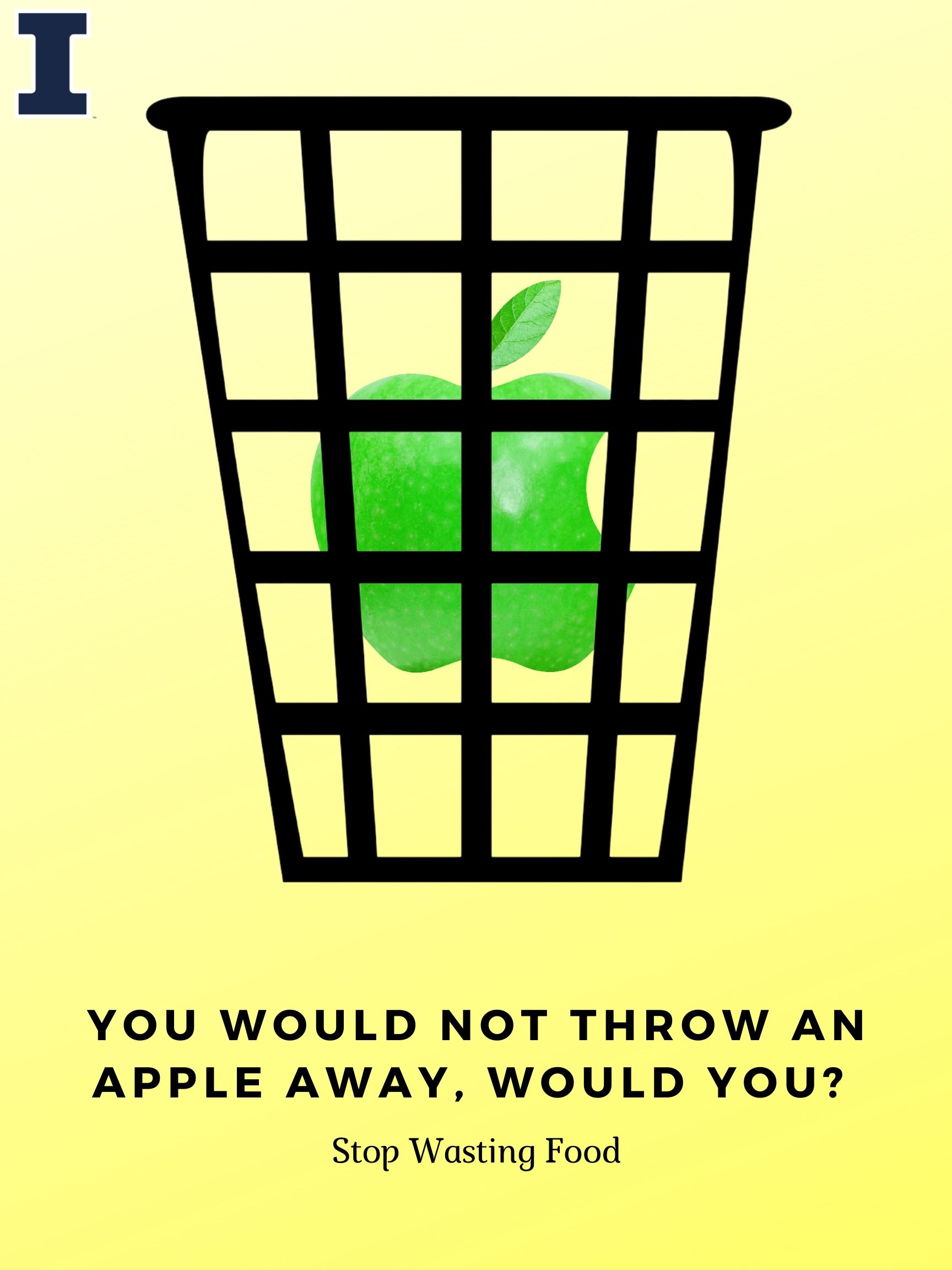
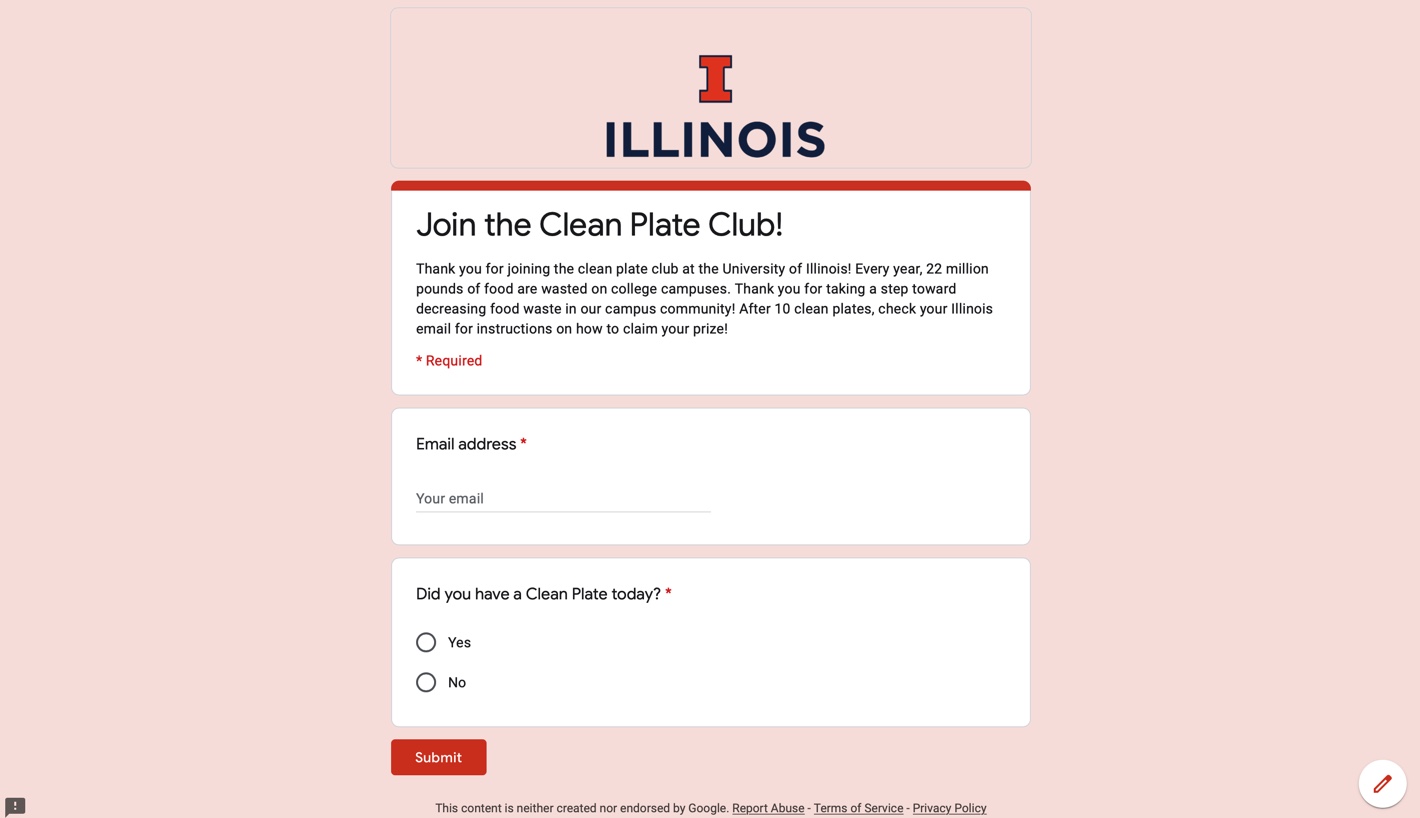
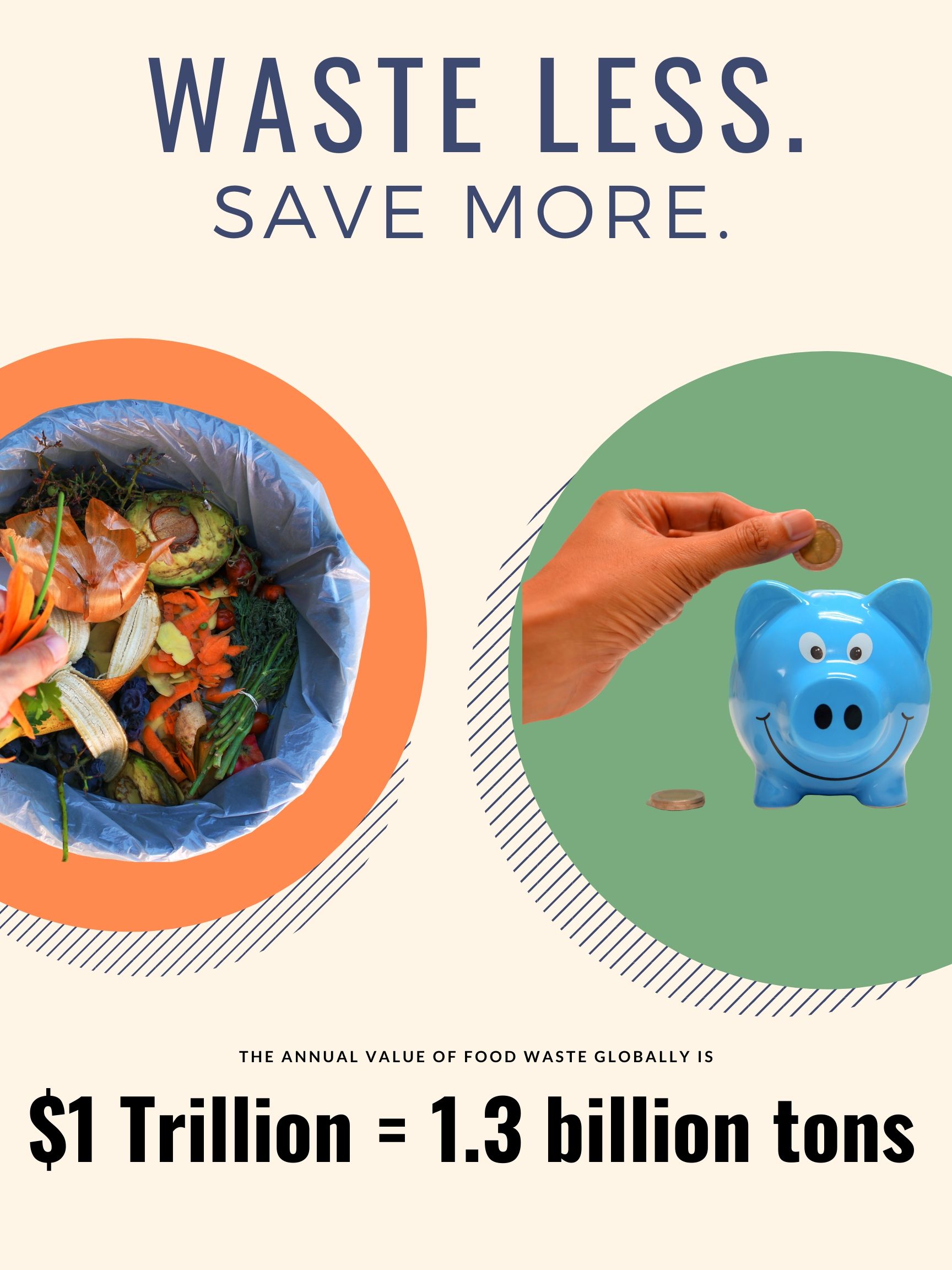
  4. Food Waste

  5. Energy iCAP Team Meeting Minutes from 2-10-21

    The Energy iCAP Team had a meeting on Feb. 10th where student member, Brinn McDowell, shared a presentation on calculated energy savings from green lab protocols that could greatly contribute towards energy conservation efforts. Updates were give on the Building Envelope Pilot Project, which is anticipated to start in March with several Energy iCAP Team students participating. Among other topics of discussion were ways to enforce compliance with state energy standards, to cooperate with student leaders across the Engineering, Architecture, and Design disciplines, and to condition vacated spaces in a time of distance-learning and -working. The agenda, meeting minutes, and chat log are attached below!

  6. Transportation SWATeam Meeting: 10 February 2021

    The Transportation SWATeam met on Wednesday, February 2021 at 10AM to discuss the following:

    • Intern Solicitation Process (3.4, 3.4.1, 3.4.3)
    • EV Dashboard Data (loosely related to 3.1)
    • Initialization of EV Task Force (3.3)
    • EV Task Force Member Suggestions (3.3) - IF YOU OR SOMEONE YOU KNOW WOULD LIKE TO BE PUT ONTO A LIST OF INDIVIDUALS INTERESTED IN EVs, PLEASE CONTACT JULIJAS2@ILLINOIS.EDU
    • Fleet Vehicle Usage (3.1)
    • Air Travel Emissions (3.5)
    • Roundtable Discussion:
      • 3.2: Increase PCI Index to 65 by FY25
      • 3.4: Reduce Driving on Campus and Staff SOV trips 10% by 2025.
      • 3.4.2: Continue to Implement Bike Plan
    Attached Files: 
  7. Transportation SWATeam Meeting: 10 February 2021

    The Transportation SWATeam met on Wednesday, February 2021 at 10AM to discuss the following:

    • Intern Solicitation Process (3.4, 3.4.1, 3.4.3)
    • EV Dashboard Data (loosely related to 3.1)
    • Initialization of EV Task Force (3.3)
    • EV Task Force Member Suggestions (3.3) - IF YOU OR SOMEONE YOU KNOW WOULD LIKE TO BE PUT ONTO A LIST OF INDIVIDUALS INTERESTED IN EVs, PLEASE CONTACT JULIJAS2@ILLINOIS.EDU
    • Fleet Vehicle Usage (3.1)
    • Air Travel Emissions (3.5)
    • Roundtable Discussion:
      • 3.2: Increase PCI Index to 65 by FY25
      • 3.4: Reduce Driving on Campus and Staff SOV trips 10% by 2025.
      • 3.4.2: Continue to Implement Bike Plan
    Attached Files: 
  8. Open House for SSC

    The Student Sustainability Committee Open House

    The Student Sustainability will be hosting an Open House event on Monday, February 8th at 6:00 PM (CT) via Zoom. We invite you and hope you can invite a friend to attend this exciting event. Students will discover more about the committee members, working groups, and be part of a general member. For now, join our SSC group chat, Discord! Scan the QR code and the event to this flyer. 

    February 8, 6 pm • Zoom Event

    Student Sustainability Committee • Student Engagement

  9. Local Solar projects shared at CCNet brownbag

    CCNet hosted several local solar panelists in January 2021. This Zoom meeting was also shared via Facebook Live:

    https://www.facebook.com/watch/live/?v=429039901765435&ref=watch_permalink

    Join the CCNet mailing list to gain access to the Zoom and stay connected. http://eepurl.com/g8IM

    (video link corrected on 2-2-2021)

  10. Registration Closing:Kyushu-Illinois Strategic Partnership Colloquia Series

    Join us on Feb.1 at 6pm for an exciting workshop highlighting the collaborative relationship between Illinois and Kyushu University faculty on the development of global CO2 recycling technology towards “beyond-zero” emission. This effort is within the framework of the Moonshot Program in I2CNER at Kyushu funded by the New Energy and Industrial Technology Development Organization (NEDO) of Japan. 

    Global Relations • Global Relations

    baseline_wifi_black_18dp.png This opportunity is available online

  11. Certified Greener Campus Programs Workshop

    iSEE hosted our first “Certified Greener Campus Program Workshop” to guide U of I organizations in certifying as “green,” even while unusual conditions add complexity to campus’s daily operations. The online workshop included a program overview, steps to certification, FAQs, and an open discussion about overcoming common barriers to sustainability.

    If you were unable to attend Thursday’s workshop, you can still take steps to advocate for sustainable practices in your unit! I invite you to:

  12. Funding for Course Development

    Deadline Jan. 31 to Get Funding for Sustainability Course Development!

    Faculty and instructors have until month's end to apply for iSEE's 2021 Course Development Cohort program, increasing sustainability course offerings across campus. The 2021 Levenick Teaching Sustainability Fellows will integrate sustainability components into an existing course ($1,000) or develop a new course with a sustainability focus ($2,000). 100- and 200-level courses especially encouraged.

    Tony Mancuso • Institute for Sustainability, Energy, and Environment (iSEE)

  13. Energy iCAP Team Meeting Minutes from 1-21-21

    The Energy iCAP Team had their first meeting of the Spring semester on January 21st, 2021. The meeting focused on obtaining supporting materials for a recommendation to start the Comprehensive Energy Plan, which will serve as an university-wide guide on energy conservation. A recommendation to model buildings for energy code compliance will likely be ready next month. Future discussions are planned with F&S representatives. A subcommittee of Energy team members will brainstorm concrete actions on energy efficiency in labs and residence halls. The agenda and meeting minutes are attached. 

Pages